上海市徐汇区安福路7号
Luo Bozhao’s Former Home
罗伯昭旧居
From private coin collecting to a public museum
No. 7 brings the neighbourhood’s cultural history into numismatics. Luo Bozhao (1899–1976) collected and studied coins. Their inscriptions, materials and shapes offer evidence for economic and social history, making collecting more than a display of taste or wealth.
Explore the historical timeline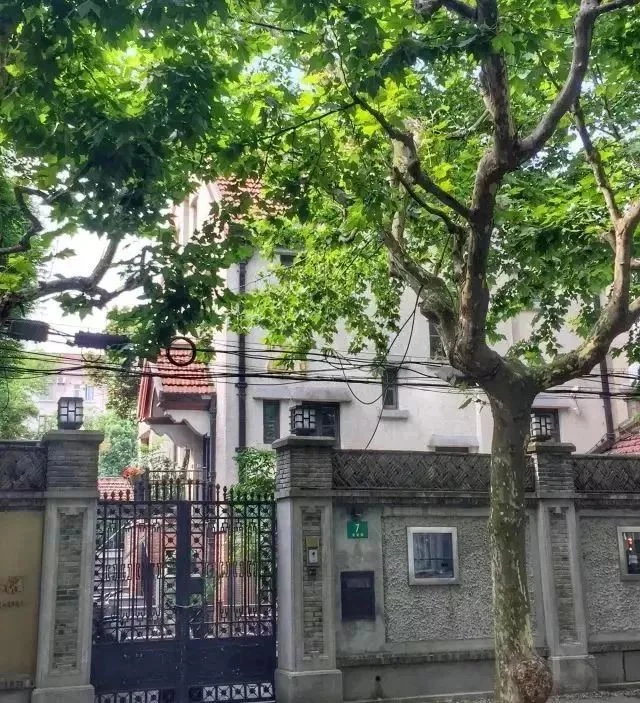
Capture date unknown
Iron gate, wall and tree shade at 7 Anfu Road, with the number visible. Published in Xuhui’s 2018 arts map; capture date unknown.
Photographer not individually credited; see source · Image source · Rights retained by original creators and source
At a glance
- Construction / use dates
- Not established in the reviewed sources
- Architect
- Not established in the reviewed sources
- Character
- A residence behind a garden wall
- Original use
- Garden residence
- Use and access
- Residential or institutional premises; begin outside
- Address
- 上海市徐汇区安福路7号Anfu Road
The beginning
Why was it built here?
No. 7 brings the neighbourhood’s cultural history into numismatics. Luo Bozhao (1899–1976) collected and studied coins. Their inscriptions, materials and shapes offer evidence for economic and social history, making collecting more than a display of taste or wealth.[1] [2]
The National Museum of China records a donation of 15,431 artifacts in September 1957, followed by further gifts. That is a count of artifacts, not automatically a count of one type of coin. His contribution transformed private study into a public collection for preservation, research and display.[1] [2]
Look up, then look closer
Details worth a closer look
One building, changing roles
Read the building through time
Captions distinguish photographic dates from publication dates; periods without reliable images are covered in the text.
- 1899–1976
- 1957
- 2022
Today and visiting
Discover the building from the street
Residential or institutional premises; begin outside[1] [2]
- Address
- 上海市徐汇区安福路7号
- Approach
- Entrances, events and access can change; follow current notices. Historic significance does not make residential stairs, gardens or living spaces public.
Sources checked: 2026-10-26 · Entrances, events and access can change; follow current notices. Historic significance does not make residential stairs, gardens or living spaces public.
Shanghai and the world
Place the address in the city
This house’s history reaches a museum in Beijing. Home and collection are no longer in the same place; linking them reveals how individual interests become shared research resources.[1] [2]
Text and image sources
This account is based on the sources below. Unverified details are identified as such. Where photographs are included, sources and licences are listed beneath each image.
- Building and local-history source ↗
Used to check dates, uses and architectural descriptions; photo dates are separately identified.
- Further research and biography ↗
Used to check dates, uses and architectural descriptions; photo dates are separately identified.
Image handling and dating
Images come from the archives or image source pages listed beneath each photograph. We resize and compress them to WebP, preserving their original proportions without colourisation or added detail. Grain, blur and scanning marks in historical photographs are retained.
Images without a documented capture date are marked undated; publication is not photography. No invented before-and-after view substitutes for a verified historic photograph.