68 Gaoyou Road
He Shizhen’s Former Home
何世桢旧居
Columns, legal education and public utilities
Built in 1927, the house is associated with lawyer and educator He Shizhen. Its classical facade gives a private garden residence the ceremonial character of a public building.
Explore the historical timeline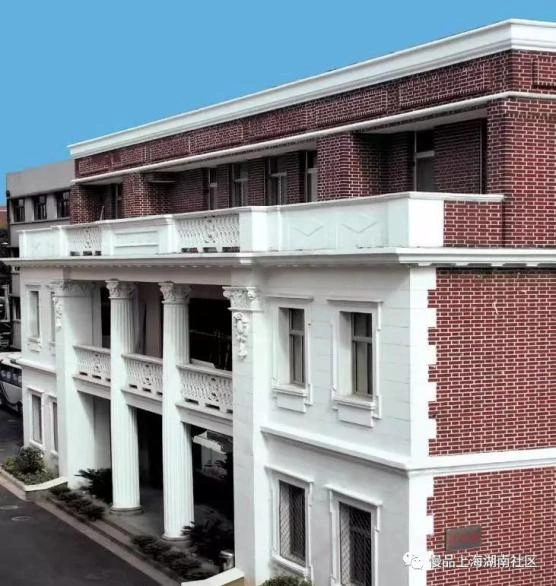
Capture date not stated by the source
No. 68 Gaoyou Road: pale classical columns and the later red-brick addition remain distinguishable.
Image from the cited report or institutional source · Image source · Rights retained by the original creator
At a glance
- Construction / use dates
- 1927; later additions
- Architect
- Not established in reviewed sources
- Character
- Classical residence with Corinthian columns
- Original use
- Garden residence
- Use and access
- Later used by electricity-sector institutions
- Address
- 68 Gaoyou Road
Architecture and use: sources[1]
The people behind the address
A life in brief
He Shizhen (1894–1972) was a lawyer and educator who earned a doctorate at the University of Michigan before returning to work in China.[1]
Contributions and influence
In 1924 he founded Chizhi University, connecting legal practice with higher education. That work links this private home to Shanghai’s modern educational history.[1]
The beginning
Why was it built here?
Built in 1927, the house is associated with lawyer and educator He Shizhen. Its classical facade gives a private garden residence the ceremonial character of a public building.[1]
The electricity workers’ union acquired it in the 1950s, beginning institutional use within that sector. The upper red-brick addition is later; distinguish it from the original two-storey classical body.[1]
Look up, then look closer
Details worth a closer look
Space and facade
Corinthian columns and pilasters give the entrance facade a strong vertical order. Leaf capitals, openings and terrace set its proportions, while pale columns contrast with the red-brick addition above.[1]
Entrance and details
Walls and gates appear before the colonnade in the street view. Its setback explains the columns as the front of a garden house rather than part of continuous shopfronts.[1]
One building, changing roles
Read the building through time
Captions distinguish photographic dates from publication dates; periods without reliable images are covered in the text.
- 1927
Garden residence completed
The private house used formal columns and terraces to distinguish its facade from the smaller garden houses nearby.[1]
- 1950s
Acquired by the electricity workers’ union
Acquisition shifted the existing house from private residence to electricity-sector premises, changing daily functions.[1]
- 1980s+
Later addition changes the roofline
A red-brick addition rises above the earlier pale classical body, leaving both phases visible in today’s exterior.[1]
Today and visiting
Discover the building from the street
Later used by electricity-sector institutions[1]
- Address
- 68 Gaoyou Road
- Access
- View from public roads and permitted areas. Historic importance does not open residential gardens, stairs or institutional compounds to the public; follow posted access rules.
Sources checked: 2026-10-26 · View from public roads and permitted areas. Historic importance does not open residential gardens, stairs or institutional compounds to the public; follow posted access rules.
Shanghai and the world
Building and neighbourhood
The classical columns change the scale of Gaoyou Road’s smaller houses. They also mark a building that moved from domestic life to institutions serving the city.[1]
Text and image sources
This account is based on the sources below. Unverified details are identified as such. Where photographs are included, sources and licences are listed beneath each image.
- Shanghai Xuhui: Gaoyou Road’s buildings and people (2019) ↗
Checks dates, people, uses and architectural descriptions; reported uses belong to the source date.
Image handling and dating
Images come from the archives or image source pages listed beneath each photograph. We resize and compress them to WebP, preserving their original proportions without colourisation or added detail. Grain, blur and scanning marks in historical photographs are retained.
Publication and capture dates are distinct. Monochrome and file images are not automatically historical photographs; captions follow what the source establishes.