上海市徐汇区复兴西路62号
The Cloister and Hengfu Heritage Gallery
修道院公寓与衡复风貌馆
A connecting passage and a neighbourhood’s stories
Completed in 1930 to a Palmer & Turner design, The Cloister takes its name from the arcade connecting two residential blocks. The name does not mean that it began as a monastery: it organized separate homes within a garden setting.
Follow its history through photographs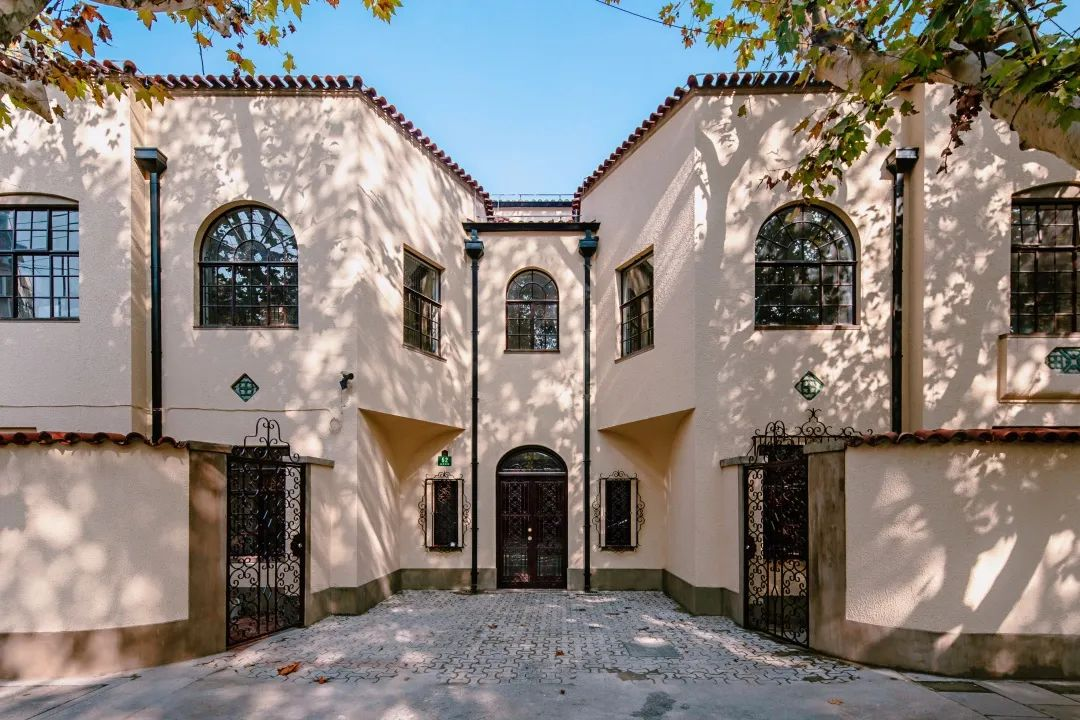
Capture date unknown
Entrance to the Hengfu Heritage Gallery at number 62. Municipal tourism feature, 2023; capture date unknown.
Photographer not individually credited; see source · Image source · Rights retained by original creators and source
At a glance
- Construction / use dates
- 1930
- Architect
- Palmer & Turner
- Character
- Garden apartments linked by an arcade
- Original use
- Apartments
- Use and access
- Street-side spaces serve the heritage gallery and visitor information
- Address
- 上海市徐汇区复兴西路62号West Fuxing Road
The beginning
Why was it built here?
Completed in 1930 to a Palmer & Turner design, The Cloister takes its name from the arcade connecting two residential blocks. The name does not mean that it began as a monastery: it organized separate homes within a garden setting.[1] [2]
The street-side rooms now present Hengfu history and provide visitor information. A 2013 photograph records subdistrict-office use, while the 2023 tourism feature shows the gallery. The verified address is number 62; an older article’s number 57 is not followed.[1] [2]
Look up, then look closer
Details worth a closer look
One building, changing roles
History unfolds between the photographs
Captions distinguish photographic dates from publication dates; periods without reliable images are covered in the text.
- 1930
- 2013
Photograph records subdistrict-office use
Livelikerw’s photograph of 25 December preserves the entrance signs and street frontage.[1] [2]
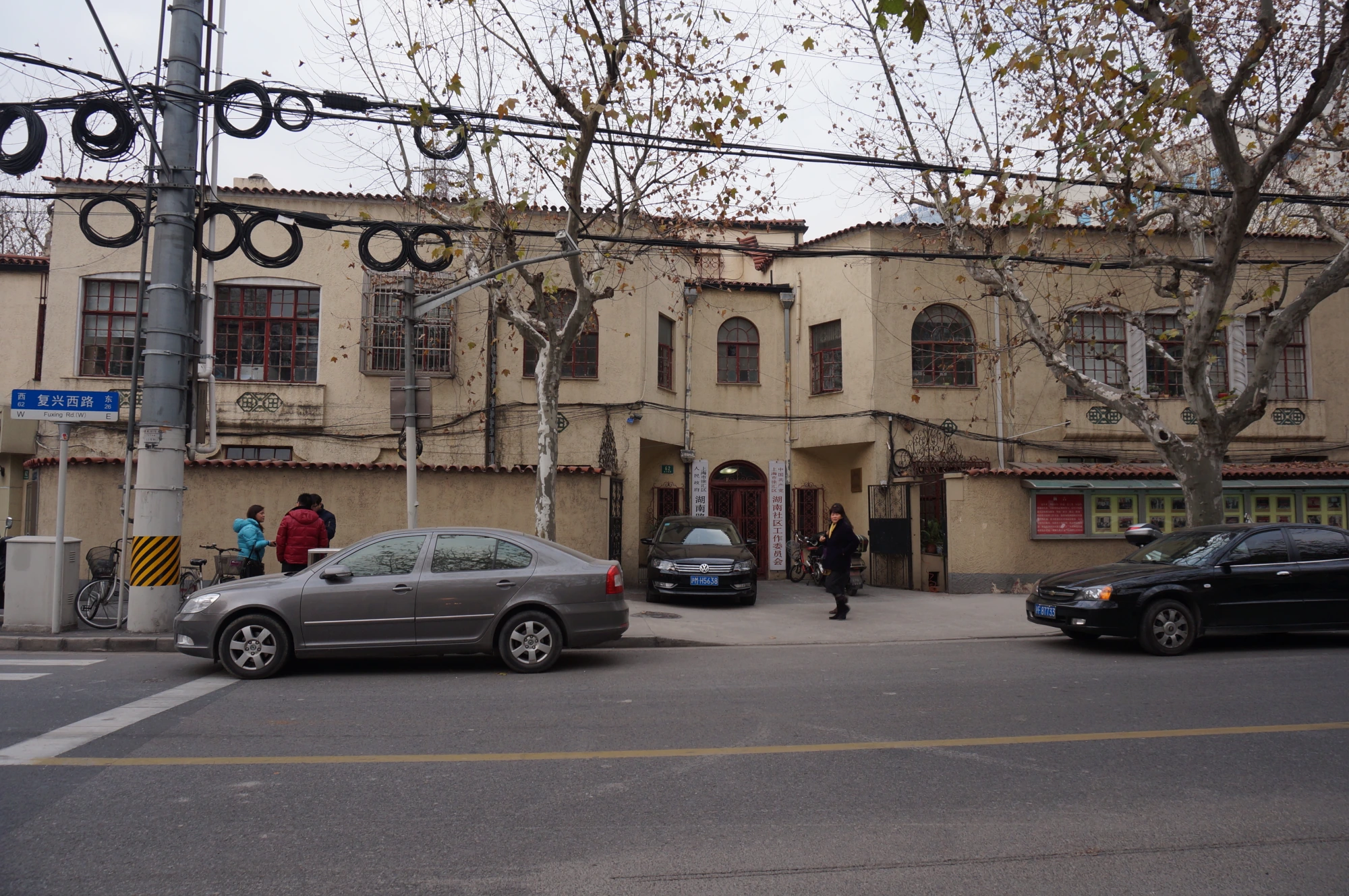
25 December 2013
The Cloister in 2013; entrance signs record subdistrict-office use. Original proportionally reduced, without cropping.
Livelikerw / Wikimedia Commons · Image source · CC BY-SA 3.0; proportionally resized
- 2023
Today and visiting
Discover the building from the street
Street-side spaces serve the heritage gallery and visitor information[1] [2]
- Address
- 上海市徐汇区复兴西路62号
- Approach
- Entrances, events and access can change; follow current notices. Historic significance does not make residential stairs, gardens or living spaces public.
Sources checked: 2026-10-26 · Entrances, events and access can change; follow current notices. Historic significance does not make residential stairs, gardens or living spaces public.
Shanghai and the world
Place the address in the city
Begin here for context before comparing nearby apartment towers and low garden houses. The public gallery explains the neighbourhood while inhabited buildings carry its everyday life.[1] [2]
Text and image sources
This account is based on the sources below. Unverified details are identified as such. Where photographs are included, sources and licences are listed beneath each image.
- Building and local-history source ↗
Used to check dates, uses and architectural descriptions; photo dates are separately identified.
- Further architectural research and biography ↗
Used to check dates, uses and architectural descriptions; photo dates are separately identified.
Image handling and dating
Images come from the archives or image source pages listed beneath each photograph. We resize and compress them to WebP, preserving their original proportions without colourisation or added detail. Grain, blur and scanning marks in historical photographs are retained.
Images without a documented capture date are marked undated; publication is not photography. No invented before-and-after view substitutes for a verified historic photograph.