849 Huashan Road
Lilac Garden
丁香花园
Verandas, a dragon wall and contested origins
Lilac Garden combines Western houses and a Chinese garden. Guides and research disagree on early ownership and dates; a study using directories and newspapers challenges the familiar attribution to Li Jingmai.
Explore the historical timeline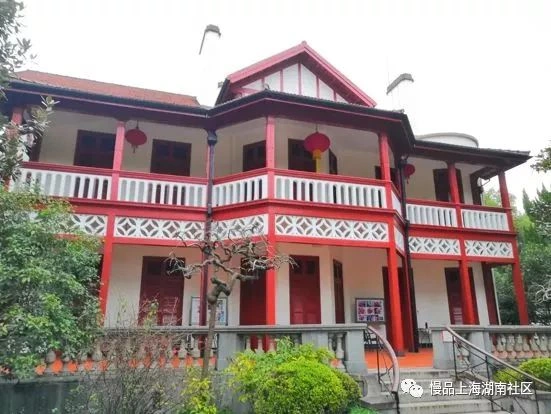
Capture date not stated by the source
Lilac Garden’s main house and garden; the view does not establish legendary ownership stories.
Image from the cited report or institutional source · Image source · Rights retained by the original creator
At a glance
- Construction / use dates
- Main-house dating disputed; building 3 dates to 1918
- Architect
- Not established in reviewed sources
- Character
- English-style villa and Chinese garden
- Original use
- Garden residence
- Use and access
- Institutional and dining uses; access follows current notices
- Address
- 849 Huashan Road
The beginning
Why was it built here?
Lilac Garden combines Western houses and a Chinese garden. Guides and research disagree on early ownership and dates; a study using directories and newspapers challenges the familiar attribution to Li Jingmai.[1] [2] [3]
Family legends are therefore not presented as settled facts. Separately documented layers include building 3 from 1918, building 2 added in 1952, and the main house’s historic-building listing in 1994.[1] [2] [3]
Look up, then look closer
Details worth a closer look
Capture date not stated by the source
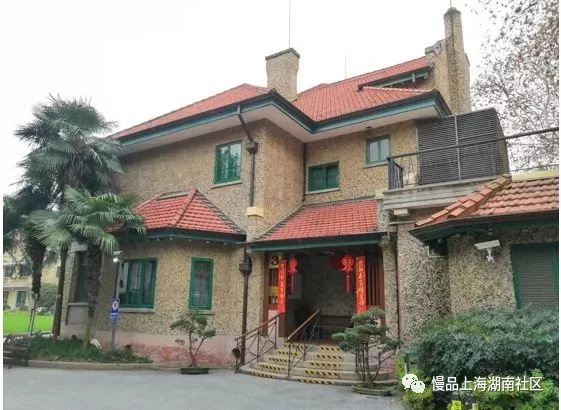
Building 3 at Lilac Garden, with its own form and construction date.
Image from the cited report or institutional source · Image source · Rights retained by the original creator
One building, changing roles
Read the building through time
Captions distinguish photographic dates from publication dates; periods without reliable images are covered in the text.
- 1918
- 1952
- 1994
Today and visiting
Discover the building from the street
Institutional and dining uses; access follows current notices[1] [2] [3]
- Address
- 849 Huashan Road
- Access
- View from public roads and permitted areas. Historic importance does not open residential gardens, stairs or institutional compounds to the public; follow posted access rules.
Sources checked: 2026-10-26 · View from public roads and permitted areas. Historic importance does not open residential gardens, stairs or institutional compounds to the public; follow posted access rules.
Shanghai and the world
Building and neighbourhood
The street wall marks the edge of a large compound. Gates and trees reveal its setback; garden photographs do not imply that every view is visible from the pavement.[1] [2] [3]
Text and image sources
This account is based on the sources below. Unverified details are identified as such. Where photographs are included, sources and licences are listed beneath each image.
- Shanghai Xuhui: historic buildings on Huashan Road ↗
Checks dates, people, uses and architectural descriptions; reported uses belong to the source date.
- Eastday: research into Lilac Garden’s ownership (2021) ↗
Checks dates, people, uses and architectural descriptions; reported uses belong to the source date.
- Shanghai Library: Lilac Garden architectural record ↗
Checks dates, people, uses and architectural descriptions; reported uses belong to the source date.
Image handling and dating
Images come from the archives or image source pages listed beneath each photograph. We resize and compress them to WebP, preserving their original proportions without colourisation or added detail. Grain, blur and scanning marks in historical photographs are retained.
Publication and capture dates are distinct. Monochrome and file images are not automatically historical photographs; captions follow what the source establishes.