Lane 120, Tai’an Road
Weileyuan Garden Lanes
卫乐园
A neighbourhood behind an archway
Financed by the Continental Bank, Weileyuan was built in 1924 in the former Lijiazhai area. Garden houses formed lanes for tenants including finance professionals, rather than one family’s mansion.
Explore the historical timeline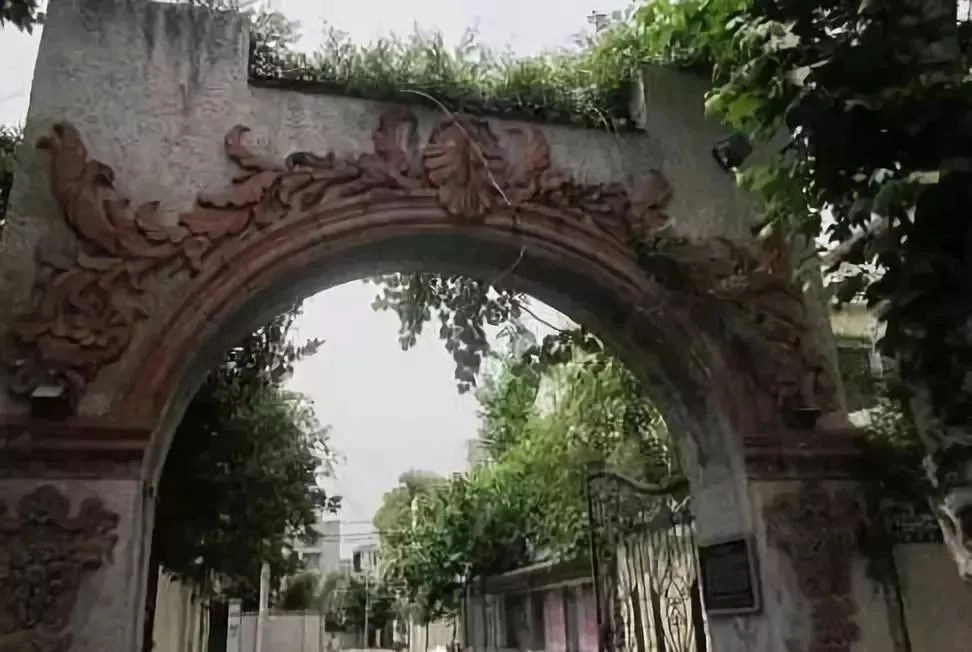
Capture date not stated by the source
Weileyuan entrance at Lane 120, Tai’an Road, leading to the housing ensemble.
Image from the cited report or institutional source · Image source · Rights retained by the original creator
At a glance
- Construction / use dates
- 1924
- Architect
- Not established in reviewed sources
- Character
- Garden lanes with varied Western house styles
- Original use
- Bank-financed rental housing
- Use and access
- Residential ensemble; some houses have had commercial uses
- Address
- Lane 120, Tai’an Road
The people behind the address
A life in brief
Huang Zuolin (1906–1994) was a theatre and film director who lived at No. 1.[1] [2] [3]
Contributions and influence
His work connected modern spoken theatre and cinema. This is one address in his life, not the setting of every house or every stage of his career.[1] [2] [3]
The beginning
Why was it built here?
Financed by the Continental Bank, Weileyuan was built in 1924 in the former Lijiazhai area. Garden houses formed lanes for tenants including finance professionals, rather than one family’s mansion.[1] [2] [3]
The ensemble was listed in 1999. Director Huang Zuolin lived at No. 1; other houses have separate histories. The street entrance represents the public edge of the group.[1] [2] [3]
Look up, then look closer
Details worth a closer look
One building, changing roles
Read the building through time
Captions distinguish photographic dates from publication dates; periods without reliable images are covered in the text.
- 1924
- 1999
- 2021
Today and visiting
Discover the building from the street
Residential ensemble; some houses have had commercial uses[1] [2] [3]
- Address
- Lane 120, Tai’an Road
- Access
- View from public roads and permitted areas. Historic importance does not open residential gardens, stairs or institutional compounds to the public; follow posted access rules.
Sources checked: 2026-10-26 · View from public roads and permitted areas. Historic importance does not open residential gardens, stairs or institutional compounds to the public; follow posted access rules.
Shanghai and the world
Building and neighbourhood
Compare Yicun at Lane 76 to see different developments arranging neighbourhood life through lanes and gardens.[1] [2] [3]
Text and image sources
This account is based on the sources below. Unverified details are identified as such. Where photographs are included, sources and licences are listed beneath each image.
- Shanghai Urban Space Art Season 2021 guide ↗
Checks dates, people, uses and architectural descriptions; reported uses belong to the source date.
- Shanghai Xuhui: Tai’an Road and its residents (2018) ↗
Checks dates, people, uses and architectural descriptions; reported uses belong to the source date.
- Wikipedia: Weileyuan (cross-check) ↗
Checks dates, people, uses and architectural descriptions; reported uses belong to the source date.
Image handling and dating
Images come from the archives or image source pages listed beneath each photograph. We resize and compress them to WebP, preserving their original proportions without colourisation or added detail. Grain, blur and scanning marks in historical photographs are retained.
Publication and capture dates are distinct. Monochrome and file images are not automatically historical photographs; captions follow what the source establishes.